


When I first started testing AI writing tools, I expected them to be a novelty – something to maybe speed up the initial drafting of a blog post or churn out a few social media captions. What surprised me was how quickly they became an indispensable part of my daily workflow, not as replacements for human creativity, but as powerful collaborators.
It’s easy to get lost in the buzzwords and the endless stream of new tools hitting the market. But as a senior editor and someone who lives and breathes content strategy, my focus has always been on practicality: Does it work? How well? And crucially, how can it make *my* job, and the jobs of my team, more effective and less prone to burnout?
This isn't about painting a utopian future where robots write everything. It's about understanding the current capabilities of AI writing tools, their limitations, and how to wield them strategically. Think of them as highly intelligent assistants, capable of handling repetitive tasks, generating initial ideas, and even refining existing text, but still requiring your expert oversight, judgment, and unique voice.
The Real-World Impact: Beyond Just "Writing"
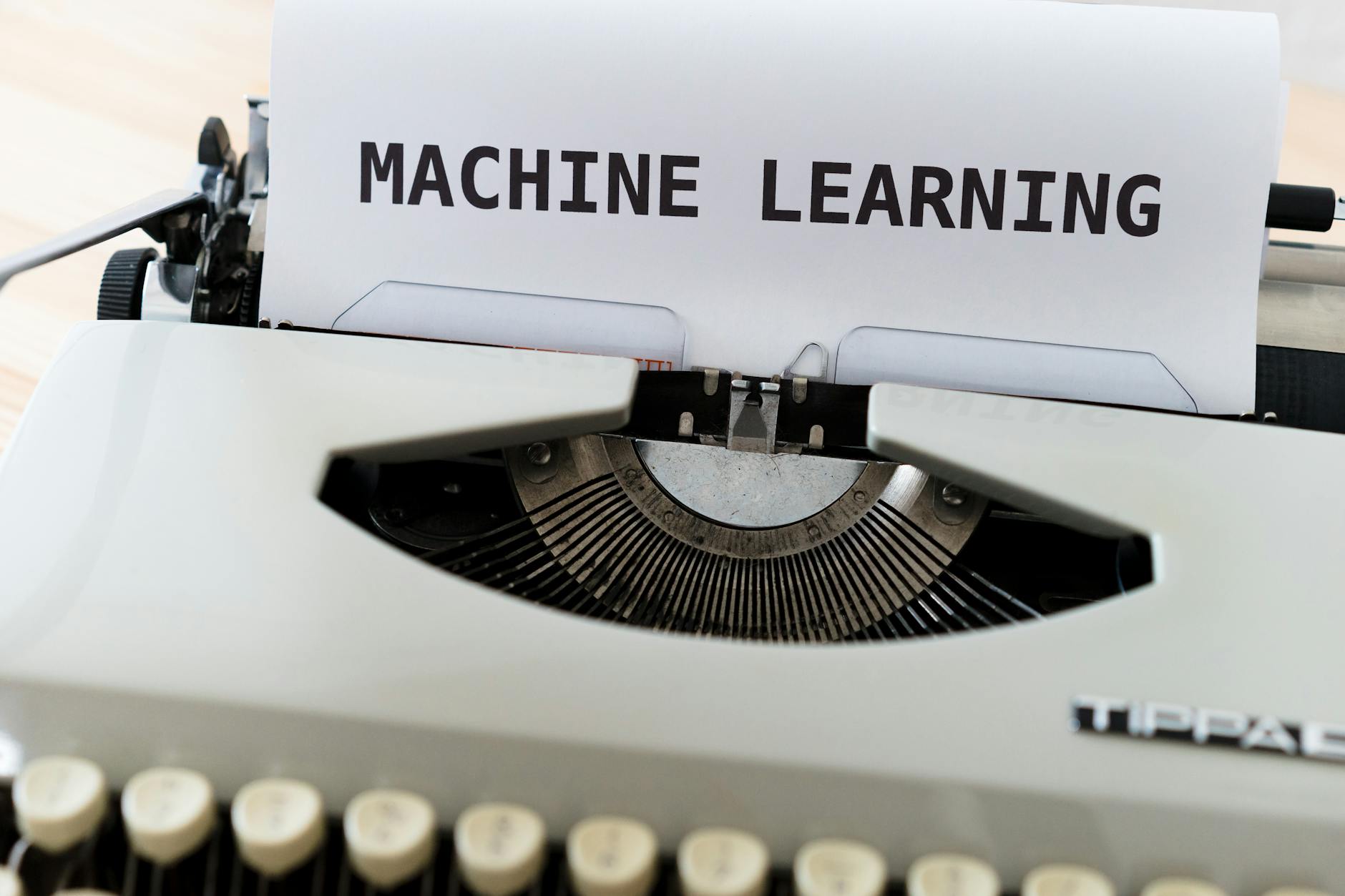
My initial experiments involved simple tasks: generating product descriptions for an e-commerce client, drafting outlines for articles, or brainstorming headline variations. The results were… okay. Useful for a starting point, but often generic or slightly off-tone. The real shift happened when I started integrating them more deeply into specific stages of the content lifecycle.
For example, I was working on a series of technical guides for a SaaS company. The sheer volume of information to cover was daunting. Instead of staring at a blank page for hours, I fed the core concepts and technical documentation into a tool like ChatGPT (specifically, a later version like GPT-4). I didn't ask it to write the entire guide. Instead, I prompted it to:
- Summarize key sections of the documentation.
- Generate a logical outline for each chapter based on user needs.
- Explain complex technical terms in simpler language.
- Brainstorm common user questions related to a specific feature.
This saved me days of manual data extraction and initial structuring. My role then became refining the AI's output, fact-checking, injecting brand voice, adding expert nuance, and ensuring the flow was intuitive for the target audience. The AI did the heavy lifting of information processing; I provided the strategic direction and human polish.
Another instance involved a client needing to update hundreds of meta descriptions for their existing blog content. Manually writing each one would have been a monumental task. Using an AI tool that could ingest the article's URL or content and then suggest meta descriptions based on SEO best practices and the article's core message was a revelation. I still reviewed and tweaked each one, but the speed at which we could achieve consistent quality was remarkable.
Choosing Your AI Writing Companion: Not All Tools Are Created Equal
The market is flooded. You've got broad-stroke chatbots like Google Gemini and Anthropic's Claude, and more specialized platforms like Jasper or Copy.ai, which often come with pre-built templates for specific content types (ad copy, email subject lines, blog intros).
My experience suggests that the best approach is often a hybrid one:
- For broad ideation, research assistance, and complex drafting: General-purpose LLMs (Large Language Models) like ChatGPT, Gemini, or Claude are excellent. They're versatile and can handle a wide range of requests if you're good at prompting.
- For templated content and specific marketing assets: Tools like Jasper or Copy.ai can be highly efficient. They're designed with marketing frameworks in mind, which can streamline the creation of things like social media ads or landing page copy.
- For SEO-focused content optimization: Tools that integrate AI with SEO analysis, such as Surfer SEO (which uses AI to suggest content improvements based on top-ranking competitors), are invaluable.
I’ve found that the specialized tools can sometimes be more restrictive, but their guardrails are also what make them predictable for certain tasks. The general-purpose LLMs, on the other hand, require more skill in prompt engineering but offer greater flexibility.
The Pros: Why AI Writing Tools Are Worth Exploring
Let's break down the tangible benefits I've experienced:
1. Speed and Efficiency
This is the most obvious benefit. AI can generate drafts, summaries, and ideas in seconds, tasks that would take humans minutes or hours. This frees up valuable time for more strategic work.
Example: Drafting social media posts for a week's worth of content might take me an hour to do manually. With an AI assistant, I can generate multiple options for each platform in about 15-20 minutes, leaving me time to select the best, tweak them, and schedule them.
2. Overcoming Writer's Block
Staring at a blank screen is a universal problem. AI can provide a starting point, a different angle, or even just a few sentences to get the creative juices flowing. It’s like having a brainstorming partner who never gets tired.
Example: When a client asked for blog post ideas on a niche topic I wasn't deeply familiar with, I used an AI to "explain the core concepts of X to a beginner" and "list common misconceptions about Y." This quickly gave me several promising angles for new articles.
3. Enhanced Research and Summarization
AI can quickly sift through vast amounts of information, summarize lengthy documents, and extract key points. This is a lifesaver for research-heavy content.
Example: Before writing a comparative analysis of two software products, I asked an AI to summarize the key features and benefits of each from their official documentation. This gave me a high-level overview that I could then verify and expand upon.
4. Consistency and Tone Control (with effort)
Once you train or prompt an AI effectively, it can help maintain a consistent tone and style across a large volume of content, which is crucial for branding.
Example: For a brand that prides itself on being friendly and approachable, I’d provide the AI with examples of their existing content and a clear prompt like: "Write in a friendly, conversational, and encouraging tone, using simple language. Avoid jargon."
5. Cost-Effectiveness (in certain scenarios)
For businesses that need a high volume of content, outsourcing or hiring full-time writers can be expensive. AI tools can offer a more budget-friendly solution for certain types of content creation, especially when supplemented by human editing.
The Cons: Where AI Still Falls Short
It's crucial to be realistic. AI isn't magic, and relying on it blindly can lead to significant problems.
1. Lack of True Creativity and Originality
AI models are trained on existing data. They excel at remixing and synthesizing information but struggle with genuine, novel ideas or deeply emotional storytelling. My best content always comes from human insight and experience.
Judgment: If you need a deeply personal essay, a groundbreaking thought leadership piece, or a creative narrative that pushes boundaries, AI is unlikely to be your primary tool. It's better for informative, structured content.
2. Factual Inaccuracies and "Hallucinations"
AI can confidently present incorrect information. This is a major risk, especially for technical, medical, or financial content. Fact-checking is non-negotiable.
Example: I once saw an AI confidently cite a study that didn't exist and attribute quotes to a historical figure that were never spoken. This underscores why human expertise is vital for verification.
3. Generic and Repetitive Output
Without careful prompting and editing, AI-generated content can sound bland, formulaic, and indistinguishable from other AI-generated content. It lacks the unique voice and personality that makes content engaging.
Judgment: My rule of thumb is that AI-generated text should always be a starting point, not the final product. It needs human intervention to inject personality, specific anecdotes, and nuanced opinions.
4. Ethical and Copyright Concerns
The legal landscape around AI-generated content is still evolving. There are questions about ownership, copyright, and potential plagiarism if the AI heavily relies on specific training data without proper attribution.
Advice: Always use AI tools responsibly. Understand their terms of service. For critical content, ensure you're not directly copying output that could infringe on existing works.
5. Requires Skillful Prompt Engineering and Editing
Getting high-quality output from AI requires learning how to prompt effectively. It’s a skill in itself. Furthermore, editing AI output is not the same as editing human writing; it requires a different kind of critical eye to identify and correct AI-specific issues.
Practical Strategies for Integration
So, how do you actually make AI writing tools work for you without falling into the traps?
1. Define the Task Clearly
Before you even open an AI tool, know exactly what you want it to do. Are you looking for an outline? A summary? A first draft of a specific section? The more specific your prompt, the better the result.
2. Use AI for Specific Stages, Not the Whole Process
Think of AI as a tool for:
- Ideation: Brainstorming topics, angles, headlines.
- Research: Summarizing documents, explaining concepts.
- Drafting (initial): Getting words on the page for structured content.
- Repurposing: Turning a blog post into social media updates or an email newsletter.
- Editing (basic): Checking for grammar, suggesting rephrasing.
Avoid asking it to "write a killer blog post about X" and expecting perfection.
3. Iterate and Refine Your Prompts
The first output is rarely perfect. If it's not what you want, don't give up. Tweak your prompt, add more context, or ask the AI to revise its previous response. For example, "Make this more concise," "Expand on point number three," or "Rewrite this in a more formal tone."
4. Always Fact-Check and Verify
This cannot be stressed enough. Treat AI output as a draft from an intern who is brilliant but sometimes makes things up. You are the subject matter expert and the final gatekeeper of accuracy.
5. Inject Your Unique Voice and Expertise
This is where you add value. AI can't replicate your personal experiences, your specific industry insights, or your brand's unique personality. Edit heavily to ensure your voice shines through. Add anecdotes, case studies, and opinions that only you can provide.
6. Use AI for Content Repurposing
This is a fantastic use case. If you have a comprehensive blog post, you can ask an AI to:
- Extract key takeaways for a Twitter thread.
- Draft an email newsletter summary.
- Generate bullet points for an Instagram carousel.
- Create a script outline for a short video.
This significantly extends the life and reach of your existing content.
AI Writing Tools vs. Human Writers: A Complementary Relationship
I often get asked if AI will replace human writers. My answer is a resounding no, at least not for high-quality, strategic content. Instead, AI writing tools are poised to augment the capabilities of human writers and content professionals.
Think of it like this: A graphic designer uses tools like Canva or Adobe Creative Suite to create visuals. They don't just click a button and have a masterpiece appear. They use these tools to execute their vision, their understanding of design principles, and their artistic flair. AI writing tools are similar.
For businesses, this means a potential for increased productivity and a broader content output. For individual content creators, it means focusing on the higher-level aspects of their craft: strategy, creativity, critical thinking, and building genuine connections with their audience. The mundane, repetitive tasks can be offloaded, allowing more time for what truly matters.
FAQ
What are the best AI writing tools for beginners?
For beginners, starting with user-friendly interfaces like those offered by ChatGPT or Google Gemini is a good idea. They are versatile and allow you to experiment with various prompts. For more structured marketing copy, platforms like Copy.ai offer templates that can guide you.
Can AI writing tools help with SEO?
Yes, AI tools can assist with SEO by generating keyword-rich content, suggesting topic clusters, optimizing meta descriptions and titles, and even analyzing competitor content for SEO opportunities. Tools like Surfer SEO specifically integrate AI with SEO analysis.
How much does it cost to use AI writing tools?
Pricing varies widely. Many tools offer free tiers with limited usage, while paid subscriptions can range from $20 to over $100 per month, depending on features, word count, and advanced capabilities. Some enterprise solutions have custom pricing.
Is AI-generated content detectable?
While AI detection tools exist, they are not foolproof and can produce false positives or negatives. The best way to ensure content is perceived as human-written is to heavily edit and personalize it, injecting your unique voice and insights. Google's stance is that helpful content, regardless of how it's produced, is what matters.
What are the ethical considerations of using AI writing tools?
Key ethical concerns include transparency (disclosing AI use when appropriate), potential job displacement, the spread of misinformation if not fact-checked, and copyright issues related to training data. Responsible use involves critical oversight and human editing.
Final Thoughts
AI writing tools are not a magic bullet, but they are incredibly powerful allies for content creators. My journey with them has been one of continuous learning and adaptation. By understanding their strengths and weaknesses, and by integrating them strategically into our workflows, we can enhance our productivity, overcome creative hurdles, and ultimately produce better content more efficiently. The key is to view them as collaborators, not replacements, and to always remember that the human element—your expertise, your voice, your perspective—remains the most critical ingredient in compelling content.

Questions & Comments
Ask something about this post or request help from the community.
No comments yet. Be the first to ask a question.