


A few years ago, the notion of an "AI assistant" felt more like a sci-fi trope than a practical reality for my daily workflow. As someone deeply entrenched in content strategy and editorial work, my days were a relentless cycle of research, drafting, editing, and managing teams. The idea of anything genuinely *automating* parts of that intricate process seemed, frankly, a little far-fetched. Yet, here we are. I’ve not only witnessed the rise of AI productivity tools; I’ve personally put them through their paces, integrated them into my routines, and seen firsthand how they've reshaped not just my work, but the entire industry.
My journey began with cautious curiosity, evolving into a strategic adoption. I’ve spent countless hours prompting, testing, refining, and sometimes, outright dismissing tools that didn't live up to the hype. What I’ve learned is that AI isn't a magic bullet, but it can be an indispensable partner if you understand its strengths, acknowledge its weaknesses, and know how to wield it effectively. This isn't about replacing human ingenuity; it's about augmenting it.
The Promise and Reality of AI in Our Workflows
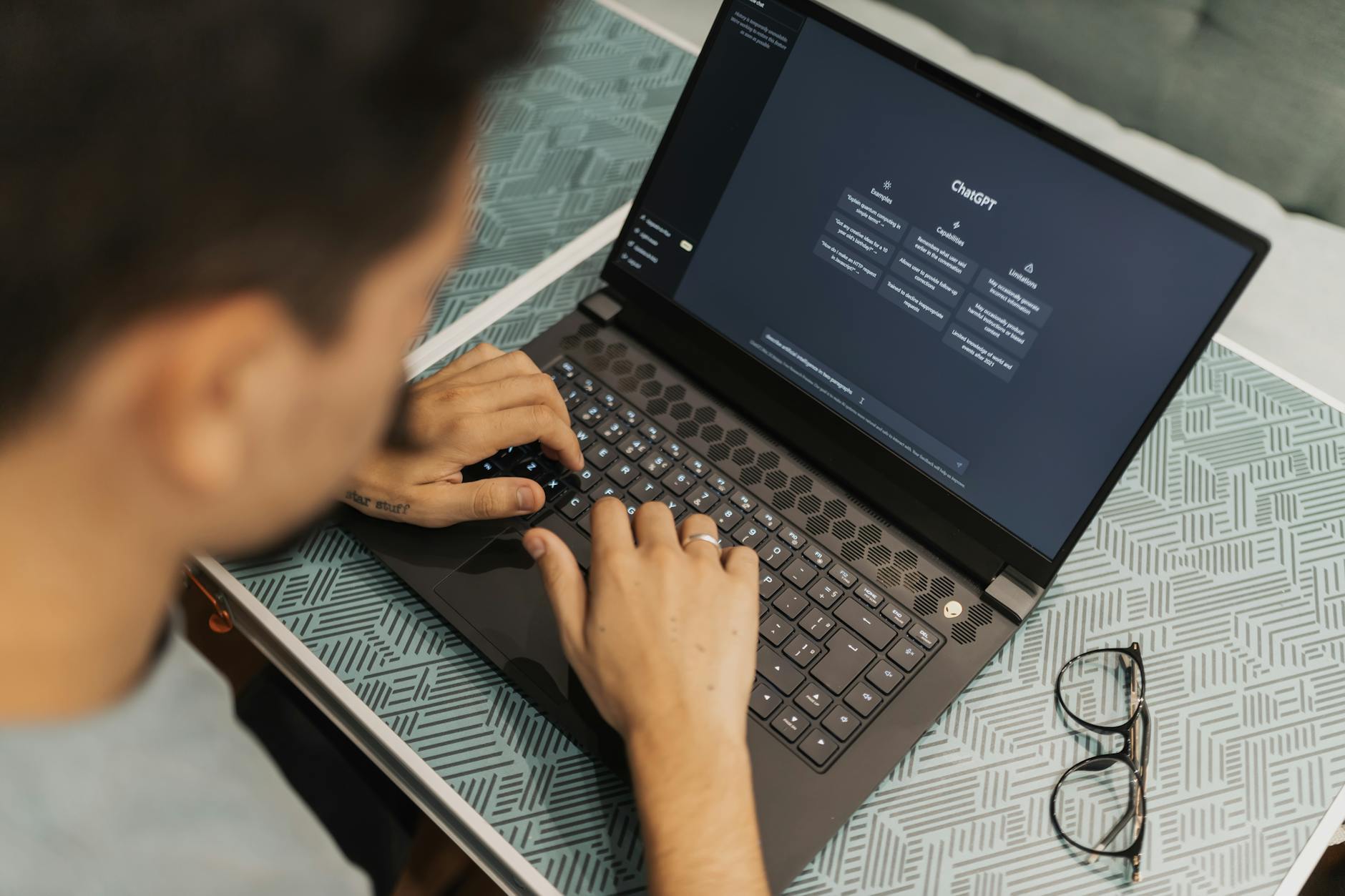
The marketing around AI productivity tools often paints a picture of instant, effortless efficiency. While there's a kernel of truth to that, the reality is more nuanced. My experience shows that these tools excel when applied to specific, often repetitive, tasks, freeing up cognitive load for more complex, creative, or strategic work. They're not going to write your next quarterly strategy report from scratch with perfect nuance and brand voice, but they can certainly help you get there faster.
I've seen the most significant impact in areas like content creation, research synthesis, basic data analysis, and even scheduling. It's about offloading the grunt work to the machines, allowing me and my team to focus on the human-centric aspects: critical thinking, emotional intelligence, strategic foresight, and maintaining that unique brand voice that only a human can truly embody.
My Go-To AI Productivity Companions
Over time, I've developed a toolkit of AI applications that have become integral to my daily operations. Here’s a look at some of them and how I leverage their capabilities:
- For Content Creation & Ideation:
Large Language Models (LLMs) like ChatGPT (OpenAI) and Claude (Anthropic) have become my primary brainstorming partners. When I'm staring at a blank screen, struggling with writer's block, I'll use them to generate initial outlines, alternative headlines, or even first drafts of introductory paragraphs. For more marketing-focused copy, tools like Jasper or Copy.ai can be incredibly useful for quickly generating variations of ad copy or social media posts. The key is to treat their output as a starting point, always refining and injecting my own voice and insights.
- For Research & Information Synthesis:
Navigating the vast ocean of online information can be a huge time sink. Perplexity AI and tools like Elicit (especially for academic papers) have been game-changers. I use them to quickly summarize lengthy articles, extract key arguments from research papers, or get a concise overview of unfamiliar topics. This significantly cuts down the time I spend sifting through search results, allowing me to grasp concepts faster and focus on deeper analysis.
- For Organization & Scheduling:
Managing a busy schedule with multiple projects and meetings used to be a constant juggle. Tools like Reclaim.ai or Motion have introduced a level of intelligent automation I didn't think possible. They automatically block focus time, reschedule meetings based on my priorities, and help optimize my calendar. It’s a subtle but powerful shift that ensures important tasks don't get pushed aside by impromptu meetings.
- For Design & Visuals (Quick Iterations):
While I rely on professional designers for high-stakes branding, for quick social media assets, blog post featured images, or mockups, AI has proven surprisingly capable. Tools like Midjourney or the AI features within Canva can generate compelling visuals from text prompts, saving valuable time and resources. It's not about replacing graphic designers but providing a rapid prototyping capability for non-designers.
The Unvarnished Truth: Pros and Cons of AI Productivity Tools
My experience has taught me that while AI offers immense potential, it's crucial to approach it with a balanced perspective. There are undeniable advantages, but also significant drawbacks and areas requiring caution.
The Upside: What I've Gained
- Increased Efficiency & Speed: This is arguably the biggest win. Tasks that used to take hours—like drafting multiple versions of an email or summarizing a lengthy document—can now be done in minutes. This acceleration allows me to tackle more projects and meet tighter deadlines.
- Enhanced Creativity & Idea Generation: AI can be a fantastic springboard for ideas. When I hit a creative wall, prompting an AI for different angles or concepts often sparks new directions I hadn't considered. It's like having a tireless brainstorming partner.
- Better Focus & Reduced Cognitive Load: By offloading mundane, repetitive tasks to AI, my mental energy is freed up for higher-level strategic thinking, problem-solving, and truly creative work. This has led to less burnout and more focused work sessions.
- Accessibility & Skill Augmentation: AI tools can democratize certain skills. Someone without deep design experience can create decent visuals, and someone struggling with writing can produce a coherent first draft. This levels the playing field to some extent, though human refinement remains crucial.
The Downside: Where They Fall Short (or Require Caution)
- Quality Control & "Hallucinations": The output isn't always perfect. AI models can "hallucinate" facts, generate grammatically correct but logically flawed sentences, or produce content that lacks nuance or empathy. Every piece of AI-generated content requires rigorous fact-checking and editing to ensure accuracy and alignment with brand voice. This isn't a "set it and forget it" solution.
- Over-reliance & Skill Erosion: There's a genuine risk of becoming overly dependent on these tools, potentially leading to a decline in fundamental human skills like critical thinking, research acumen, or original writing. It's a balance: use AI to assist, not to replace your own capabilities.
- Cost & Subscription Fatigue: Many powerful AI tools come with subscription fees, and these can add up quickly. Deciding which tools offer the best ROI for your specific needs requires careful evaluation.
- Data Privacy & Security Concerns: Feeding sensitive company data or proprietary information into public AI models can pose significant privacy and security risks. It's paramount to understand each tool's data handling policies and use enterprise-grade solutions where appropriate.
- Lack of True Nuance & Empathy: AI struggles with understanding complex human emotions, cultural subtleties, or highly specific brand voices that require a deep understanding of audience psychology. For truly impactful communication, the human touch is irreplaceable.
Making AI Work for You: A Practical Checklist
Based on my own integration experience, here’s a checklist for anyone looking to effectively incorporate AI productivity tools into their workflow:
- Identify Your Pain Points: Before diving into tools, pinpoint where you're losing the most time or struggling with inefficiency. Is it drafting emails? Research? Scheduling? This will guide your tool selection.
- Start Small & Experiment: Don't try to overhaul your entire workflow at once. Pick one or two specific tasks, test a relevant AI tool, and evaluate its impact. Gradual integration leads to better adoption.
- Test & Compare Multiple Tools: The AI landscape is vast and rapidly evolving. Don't settle for the first tool you try. Many offer free trials; leverage them to find the best fit for your specific needs and budget.
- Maintain Human Oversight:

Questions & Comments
Ask something about this post or request help from the community.
No comments yet. Be the first to ask a question.