


When I first started seeing articles predicting SEO trends for 2026 a couple of years ago, I’ll admit I was a bit skeptical. It felt too far out. But as we’ve navigated through the seismic shifts of AI, evolving user behaviors, and ever-smarter search engines, the landscape has changed so rapidly that those "future" trends are already here, or are undeniably on the horizon. I’ve spent my career hands-on with SEO, from writing and optimizing content to diving deep into technical audits and strategic planning, and I’m seeing some patterns emerge that are too significant to ignore.
This isn't about chasing fads. It's about understanding the fundamental forces that are reshaping how users find information and how search engines deliver it. Based on what I’m actively testing, implementing, and observing across successful campaigns, here are the 8 top SEO trends that I believe will define success in 2026.
1. AI-Powered Content & SEO Strategy Becomes Non-Negotiable
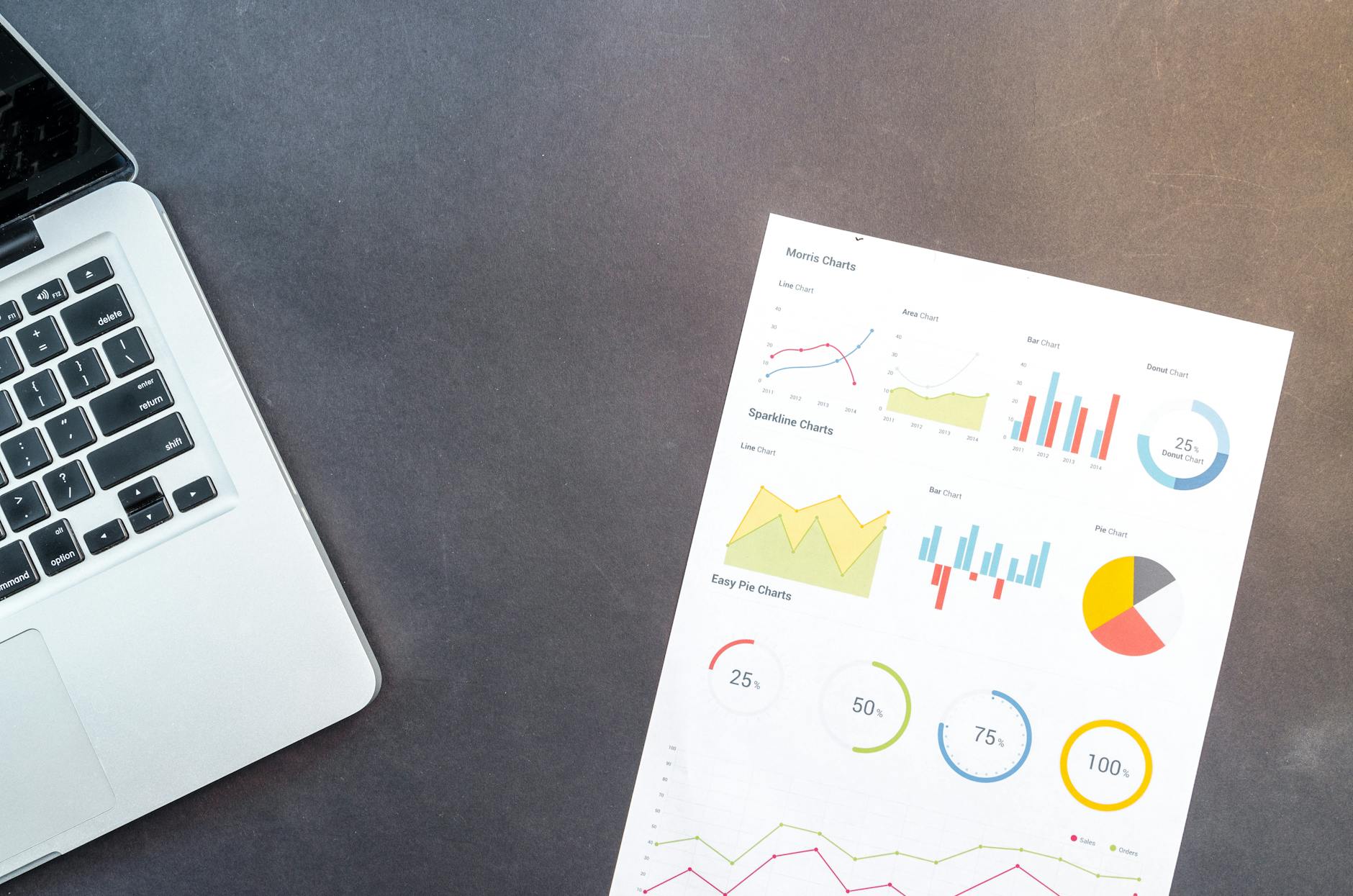
This isn’t just about using AI to churn out blog posts anymore, although that’s a part of it. For me, AI’s real power in SEO in 2026 lies in its ability to augment our strategic thinking and execution. I’ve been leveraging tools like OpenAI’s GPT models and Gemini to analyze vast datasets, identify underserved keyword gaps, predict search intent shifts, and even help structure complex content pieces for maximum topical authority.
Think about it: instead of spending days manually sifting through competitor analysis reports, AI can flag emerging themes and questions your audience is asking before they become mainstream. I’m using it to generate initial outlines for deep-dive articles, ensuring all facets of a topic are covered, and then layering my human expertise and unique insights on top. This hybrid approach is proving far more efficient and effective than pure manual work or relying solely on output.
Practical Judgement: The key here is augmentation, not automation. AI is an incredible assistant for research, ideation, and drafting, but human creativity, critical thinking, and nuanced understanding are still paramount for true E-E-A-T (Experience, Expertise, Authoritativeness, Trustworthiness). Relying solely on AI for content will quickly lead to generic, uninspired, and ultimately, underperforming pages.
2. Hyper-Personalized User Experience (UX) as a Ranking Factor
Google has been pushing UX signals for years, but in 2026, it's going to be even more critical. Search engines are getting incredibly good at understanding not just *what* a user is looking for, but *how* they prefer to consume that information and *what their journey* looks like. Personalized search results, influenced by past behavior, location, and even device, are becoming the norm.
This means your website’s UX needs to be adaptable. If a user lands on your site from a mobile device after searching for "quick healthy dinner recipes," they’re likely looking for something fast and easy to read. A large, visually appealing recipe card with clear steps and minimal intrusive ads is what they need. If the same user later searches on their desktop for "gourmet Italian cooking techniques," they might be looking for a more in-depth, scholarly article with rich media and detailed explanations.
I’ve seen sites that invest heavily in dynamic content delivery, where the user interface and content presentation subtly shift based on inferred intent and previous interactions. This can include personalized recommendations, adjusted calls-to-action, or even variations in content depth. It's about making the user feel understood and catered to, which naturally leads to longer dwell times, lower bounce rates, and more conversions – all signals that search engines are increasingly valuing.
Real-world Example: A travel booking site I’ve advised started surfacing different trip recommendations based on whether a user primarily browsed "budget backpacking" or "luxury resort" options. This personalization wasn't just on the homepage; it extended to suggested activities and articles, significantly improving engagement and conversion rates because users felt the site understood their specific travel style and needs.
3. The Ascendancy of Semantic Search and Topic Authority
Gone are the days of keyword stuffing and focusing on single, isolated terms. Search engines are now sophisticated enough to understand the meaning and context behind queries – that’s semantic search. For SEO in 2026, this translates into building comprehensive topical authority.
Instead of optimizing a single page for "best running shoes," you need to create a hub of content that covers everything related to running shoes: types, brands, materials, shoe care, injury prevention, training advice, and comparisons. This demonstrates to search engines that you are a definitive resource on the topic.
I’ve been actively using tools like Semrush and Ahrefs not just for keyword research, but for mapping out entire topic clusters. The goal is to create an interconnected web of content where internal linking plays a crucial role in guiding both users and search engine crawlers through your expertise. This approach not only boosts rankings for a wide range of related queries but also builds significant brand authority.
Nuance: Building topical authority isn't about quantity; it's about quality and depth. Each piece of content needs to be valuable, well-researched, and genuinely helpful. A poorly executed topic cluster will do more harm than good.
4. E-E-A-T: Experience and Expertise are More Important Than Ever
Google’s emphasis on E-E-A-T (Experience, Expertise, Authoritativeness, Trustworthiness) has been building for a while, and in 2026, it's arguably the most critical differentiator for any website, especially in YMYL (Your Money Your Life) niches. They want to see that content is created by people with genuine knowledge and firsthand experience.
This means showcasing author bios prominently, highlighting credentials, linking to research or studies you’ve conducted, and providing real-world case studies or testimonials. If you’re writing about a travel destination, have you actually been there? If you’re reviewing software, have you used it extensively? If you’re offering financial advice, do you have the necessary certifications?
I’ve been advising clients to actively document their expertise. This can include video interviews with subject matter experts, detailed "about us" pages that go beyond a simple mission statement, and even user-generated content that showcases customer success stories. It’s about building trust through verifiable proof of your capabilities and knowledge.
Pros: Elevates high-quality, credible content; helps users make informed decisions; reduces the spread of misinformation.
Cons: Can be challenging for newer businesses or individuals without established credentials; requires significant effort to document and showcase expertise.
5. The Rise of Conversational Search and Voice SEO
While not entirely new, the sophistication and adoption of voice search (and conversational AI interfaces) continue to grow. People are speaking to their devices more naturally, asking longer, more complex questions. This means your SEO strategy needs to adapt to longer tail, natural language queries.
I’ve been focusing on creating content that directly answers common questions. Think about FAQ sections that are well-written and comprehensive, or blog posts structured as Q&As. Tools that analyze "People Also Ask" sections on Google are invaluable here for identifying these conversational queries.
optimizing for featured snippets and "position zero" becomes even more critical, as these are often the direct answers provided to voice queries. Schema markup for FAQs and How-Tos can also play a significant role in making your content discoverable via voice assistants.
Explore a Premium Online Opportunity
Discover selected digital offers and online tools that may help you grow your projects, business, and productivity.
Practical Judgement: While direct voice search traffic might not be your primary driver *yet* for all niches, the underlying principles of natural language and answering questions directly are increasingly influencing how general search works, including desktop and mobile text searches.
6. Video and Rich Media Integration Becomes Standard
Search engines are increasingly indexing and understanding the content within videos and other rich media formats. Simply having a product page with text is no longer enough. Including high-quality product videos, explainer videos, customer testimonials, and even interactive infographics can significantly boost engagement and SEO performance.
I've worked with e-commerce clients where embedding product demos directly on product pages led to a noticeable increase in dwell time and a decrease in bounce rates. Search engines are smart enough to know that users are more likely to find the information they need from a visual demonstration than from static text alone. Tools like Canva and even basic video editors on smartphones make creating engaging visuals more accessible than ever.
For YouTube, which is the second-largest search engine, video SEO is a whole discipline in itself. Optimizing titles, descriptions, tags, and transcripts is essential. But even for your own website, embedding relevant videos can help you rank in image or video carousels on Google.
Pros: Higher engagement rates, caters to diverse learning styles, can improve conversion rates.
Cons: Requires investment in content creation and editing, can increase page load times if not optimized properly.
7. Technical SEO: Core Web Vitals & Beyond
While content and user experience are king, the foundation – your technical SEO – remains critically important. Google's Core Web Vitals (LCP, FID, CLS) are established metrics for measuring user experience related to loading, interactivity, and visual stability. In 2026, these will continue to be crucial, but the focus is broadening.
I’m seeing a greater emphasis on site speed and performance, not just for Core Web Vitals, but for smooth navigation and interactivity across all devices. This includes optimizing images, leveraging browser caching, minifying CSS and JavaScript, and ensuring efficient server response times. Tools like Google PageSpeed Insights and GTmetrix are essential for ongoing monitoring.
Beyond speed, semantic HTML, proper schema markup, and a robust site architecture are non-negotiable. These elements help search engines understand your content and structure, which is vital for ranking, especially as search algorithms become more complex.
Real-world Example: A client in the competitive SaaS space saw a significant drop in rankings. A deep technical SEO audit revealed that while their content was good, their site’s LCP was consistently poor on mobile. After optimizing image sizes and implementing lazy loading, they saw a marked improvement in their search visibility within weeks.
8. The Evolution of Link Building: Quality Over Quantity, Context Over Authority
The days of buying links or relying on low-quality guest posting farms are long gone and will only become more penalized in 2026. The focus has definitively shifted to earning high-quality, contextually relevant backlinks from authoritative and trustworthy sources.
This means focusing on creating truly exceptional content that other websites *want* to link to. Think about original research, in-depth guides, unique data visualizations, or valuable tools that naturally attract natural citations. It’s about becoming a go-to resource in your niche.
Outreach still plays a role, but it needs to be highly personalized and strategic. It’s about building relationships with other site owners and bloggers, offering value, and demonstrating how a link to your content would genuinely benefit *their* audience. I’ve found success by identifying broken links on relevant sites and offering my superior content as a replacement, or by contributing unique insights to industry round-ups.
Practical Judgement: While building a diverse backlink profile is still important, the quality and relevance of each link will matter far more than the sheer number. Investing time in creating link-worthy assets is a more sustainable strategy than any quick-fix link-building tactic.
Frequently Asked Questions
Q: How can small businesses adapt to these advanced SEO trends?
A: Small businesses should prioritize understanding their audience deeply and creating genuinely valuable content. Leveraging AI for research and drafting can level the playing field. Focusing on strong E-E-A-T by showcasing founder expertise or customer testimonials is also highly effective and often low-cost.
Q: Is AI going to replace SEO professionals?
A: No, AI is more likely to augment the role of SEO professionals. Strategic thinking, creativity, ethical considerations, and deep understanding of user intent are still human domains. AI tools will help us be more efficient and insightful, but human expertise will be essential to guide and interpret AI outputs.
Q: How important is mobile-first indexing in 2026?
A: Mobile-first indexing is already the standard. In 2026, the focus will be on ensuring an exceptional mobile user experience, which includes speed, responsiveness, and ease of navigation, as most searches originate on mobile devices.
Q: Should I still focus on traditional keyword research?
A: Yes, but with a shift in perspective. Traditional keyword research is now about understanding the user's intent behind those keywords and how they fit into broader topics. Focus on semantic relationships and natural language queries rather than just isolated terms.
Final Thoughts
The SEO landscape in 2026 is dynamic and exciting. It’s a space where technical prowess meets creative content and a deep understanding of human behavior. The trends I've outlined – from the pervasive influence of AI to the critical importance of E-E-A-T and user experience – are not isolated; they are interconnected threads weaving the fabric of modern search.
My advice? Don't get overwhelmed. Instead, focus on building a strong foundation. Understand your audience, create exceptional content that solves their problems, ensure your site is technically sound and provides a seamless user experience, and always strive to demonstrate genuine expertise. By embracing these principles and adapting to the evolving trends, you'll not only stay visible but thrive in the competitive digital arena of 2026 and beyond.

Questions & Comments
Ask something about this post or request help from the community.
No comments yet. Be the first to ask a question.